Learning
Knowledge treated the way we treat a road or a park: public infrastructure, open to anyone, regardless of age, income or what they did or did not finish at school.
One building, every age, open when working people are free
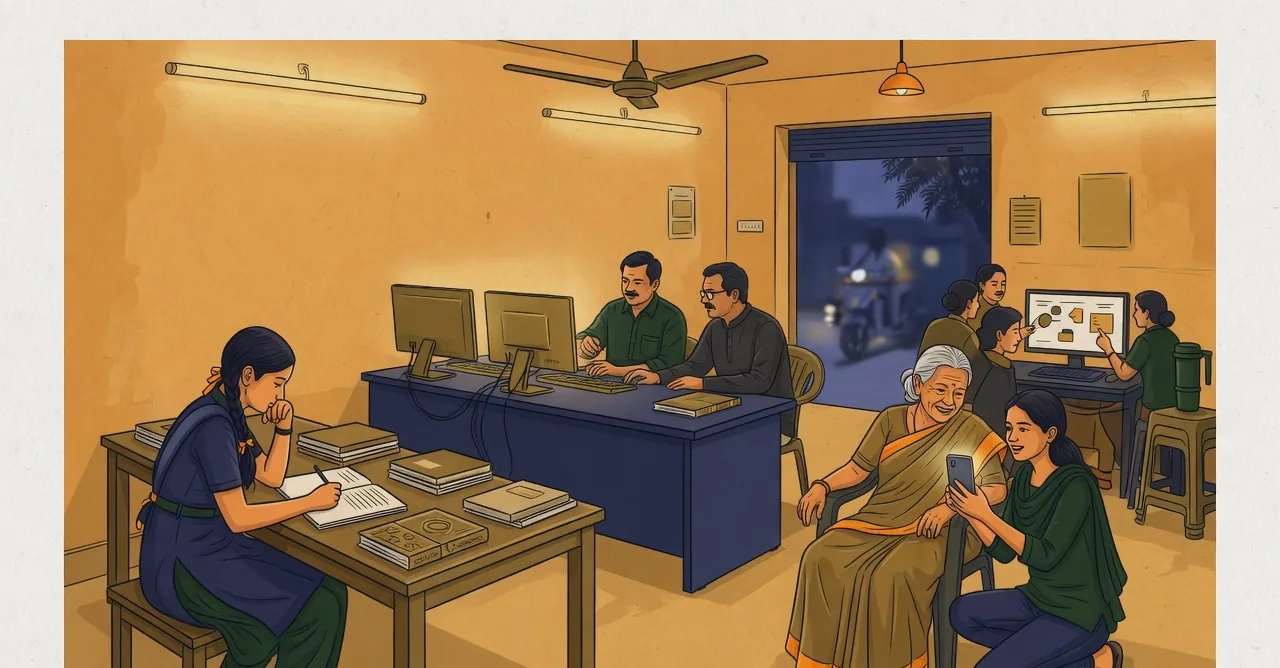
Every unit gradually develops an Information and Learning Park where anyone can learn — no entrance requirement, no fee, no upper age.
What is in it
- Large open or semi-open displays for scheduled programming
- Classrooms and tutorial rooms
- Connected computers and digital kiosks
- A reading area, a small library, reference material
- A workshop or maker space where feasible
- Accessible seating and facilities for elderly and disabled learners
- Extended hours, because the people who most need it work during the day
What is taught
- Literacy and numeracy
- Science, mathematics, history and geography
- Indian and foreign languages
- Agriculture and rural enterprise
- Financial and legal literacy
- Computing, coding, AI, cyber-safety, digital productivity
- Vocational and trade skills
- Entrepreneurship, accounting, sales, digital marketing
- Health, nutrition, first aid and preventive care
- Arts, literature, music, philosophy, traditional knowledge
In a single afternoon the same room can hold a schoolchild working through mathematics, an unemployed adult learning a trade, a shopkeeper learning to sell online, and a grandmother learning either a smartphone or a new language. Learning stops being something that ends with a certificate.
National platforms such as SWAYAM and NPTEL should be expanded, translated, subtitled and dubbed into Indian languages at scale. But simply streaming a lecture into a room achieves very little. Every course at a Learning Park carries a local mentor, a discussion group and practical sessions — the online material is the syllabus, not the teacher.
Gyan Peti — for the places that need it most
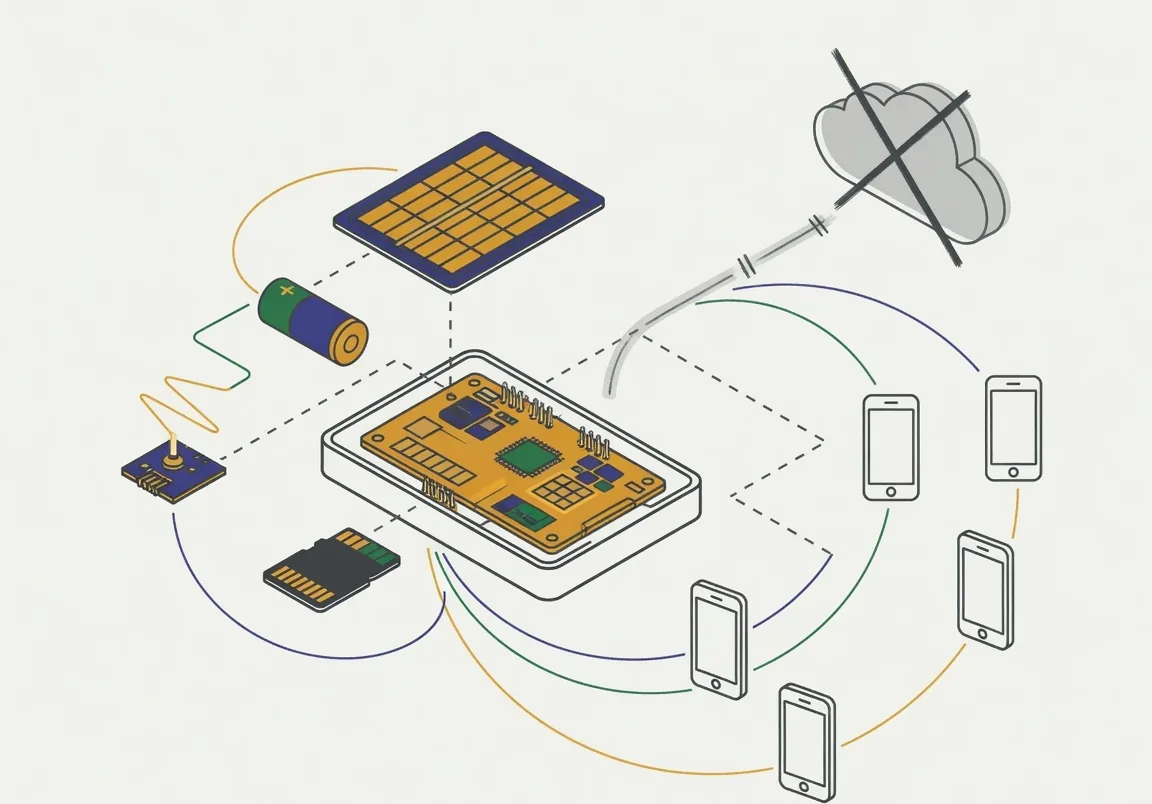
The units where a Learning Park would change the most lives are often the units with the worst connectivity. A Gyan Peti is a small low-power server — Raspberry Pi class, solar-capable — holding a full offline mirror of the curriculum in video, text and exercises. It serves any phone in the building over local Wi-Fi with no internet at all, and syncs when a connection appears.
It is cheap, it is replicable, and it turns a one-room building into a functioning learning centre without waiting for a fibre line.
Pathways instead of streams
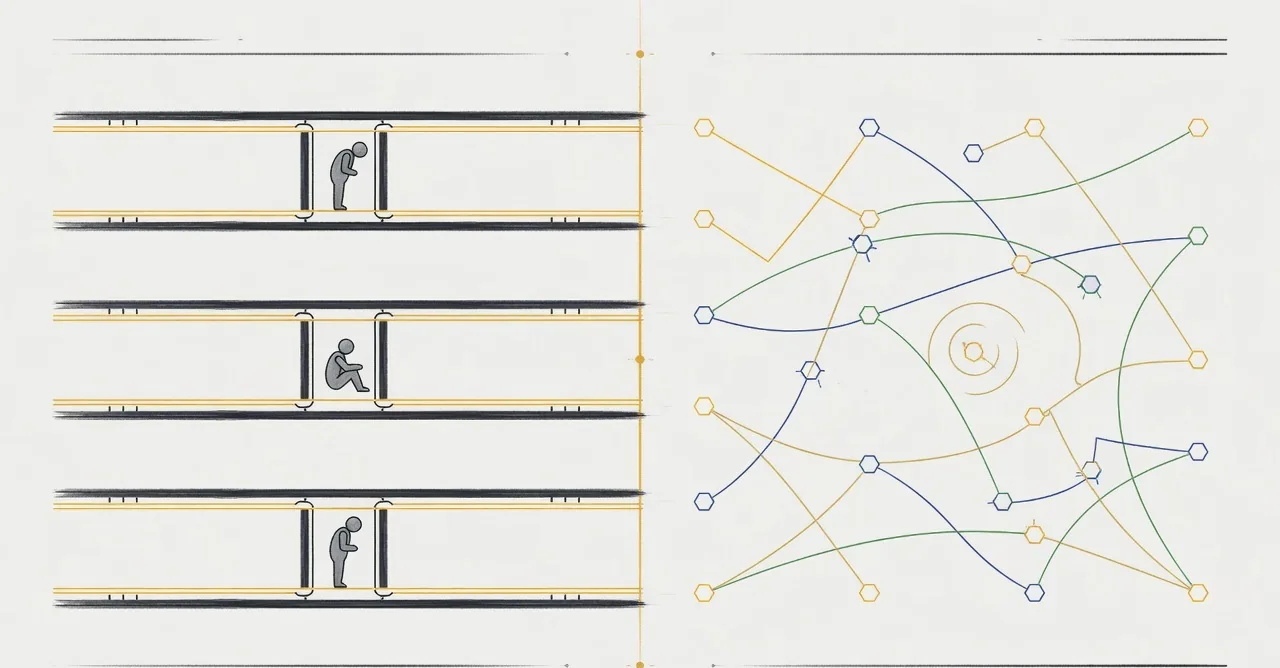
From about age five to twenty, a learner should move from a broad common foundation toward an increasingly personal combination of subjects, chosen on aptitude, curiosity and demonstrated competence — not on a three-way sorting decision taken at fifteen.
The foundation, for everyone
Languages and communication. Mathematics and scientific reasoning. History, geography and civics. Arts, music, physical education. Digital literacy and safe technology use. Ethics, environmental responsibility, teamwork and practical life skills.
Then the menu widens sharply
One learner combines physics, economics, Sanskrit, programming, filmmaking and psychology. Another combines biology, statistics, agriculture, entrepreneurship and music. Genuine prerequisites still apply wherever a later subject depends on earlier mastery — the reform removes arbitrary walls, not real ones.
Emerging fields, taught as normal subjects
- Artificial intelligence, robotics and data science
- Cybersecurity and digital systems
- Biotechnology and computational biology
- Renewable energy and climate technology
- Space science and aerospace
- Advanced manufacturing, electronics and materials
- Digital media, animation, game design and filmmaking
- Entrepreneurship, product design and innovation
A national teaching network
No school can employ experts in hundreds of subjects, and pretending otherwise is why flexible curricula usually fail. The model therefore splits the job:
- Shared nationally: the best instruction, live and recorded, in subjects too specialised for a local school
- Kept local: laboratories, tutorials, assessment, mentoring and pastoral care — the parts that need a person in the room
Medicine, engineering, law, architecture and other regulated disciplines keep their structured pathways, prerequisites, laboratories, clinical training and professional standards. This reform is meant to modernise specialisation, not dilute it — adding simulation, modern instrumentation, contemporary research methods and interdisciplinary exposure, not removing rigour.
Assessment has to change too
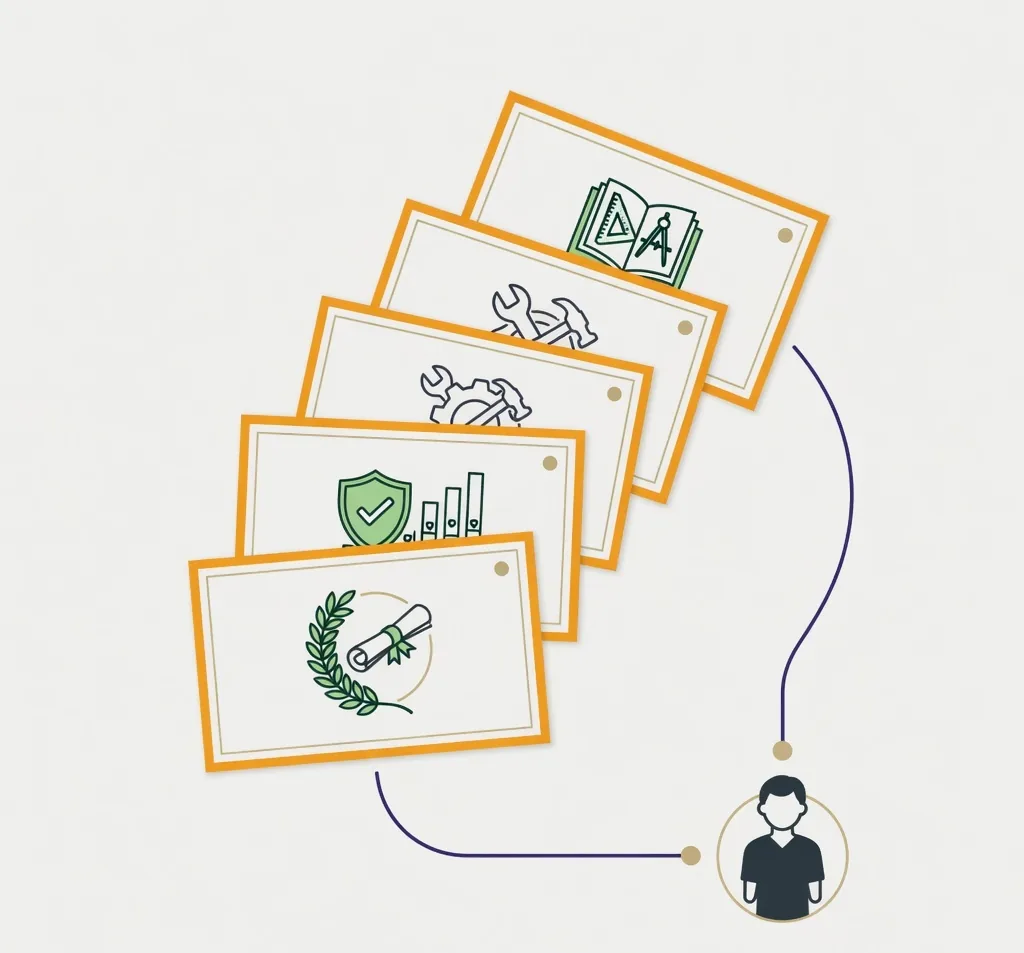
A flexible curriculum measured by a single terminal examination will collapse back into streams within a decade. Portfolios, projects, laboratory work, oral defence, apprenticeships, community service and demonstrated competence sit alongside examinations. National standards define the outcome; they do not have to define the only route to demonstrating it.
Everything a person learns — a school subject, a trade certificate, a Learning Park course, verified civic service — accumulates in one portable record that belongs to the learner and outlives any single institution.