Safeguards & Red Lines
The more capable a local system becomes, the more it needs protection against capture, discrimination, surveillance, corruption and arbitrary authority. Safeguards are not an appendix here.
Twelve governance principles
- Constitutional and legal supremacy. Units supplement statutory institutions. They never override them.
- Equal access. No service depends on caste, religion, language, gender, political affiliation, wealth or personal connection.
- Subsidiarity. Solve at the lowest genuinely competent level; escalate the moment expertise, scale, rights or safety require it.
- Data minimisation. Collect only what a defined service requires, and delete it when the service ends.
- Due process. Any sanction, exclusion or referral follows published rules and allows review.
- Professional boundaries. Volunteers complement doctors, police, engineers, counsellors, teachers and social workers. They never impersonate them.
- Financial transparency. Residents can see where local money went, to the rupee, without asking.
- Independent audit and grievance. Neither run by the people being audited.
- Accessibility. Multilingual, voice-capable, low-bandwidth, and never digital-only.
- Outcome evaluation. Judged on what changed for residents, not on expenditure or publicity.
- Reversibility. Every charter expires in five years unless residents renew it.
- Publish the failures. Including this one, when it happens.
Things this system will never do

These are not current settings that a future administrator could adjust. They are written as permanent, and a unit that crosses one has failed by definition.
- Hold any power of policing, enforcement, detention, inspection or patrol.
- Monitor belief, speech, politics, scholarship or satire. Only credible threats and unlawful conduct, referred to the competent authority under due process.
- Record anyone’s caste, religion, political affiliation, diet or sexual orientation.
- Let an algorithm decide eligibility, exclusion, benefit or priority. People decide; software may only assist with language, search and drafting.
- Sell, trade, share commercially or politically target resident data.
- Pressure a survivor of violence or abuse to reconcile, mediate, or explain themselves.
- Make any service conditional on contribution, faith, diet, occupation or participation in any programme.
- Keep a register of who is poor, addicted, indebted, ill, disabled, bereaved or in recovery.
- Name, shame, parade or publicly pledge any resident.
- Allow volunteers to displace paid workers, or students to replace trained professionals.
Designed so a critic can verify it
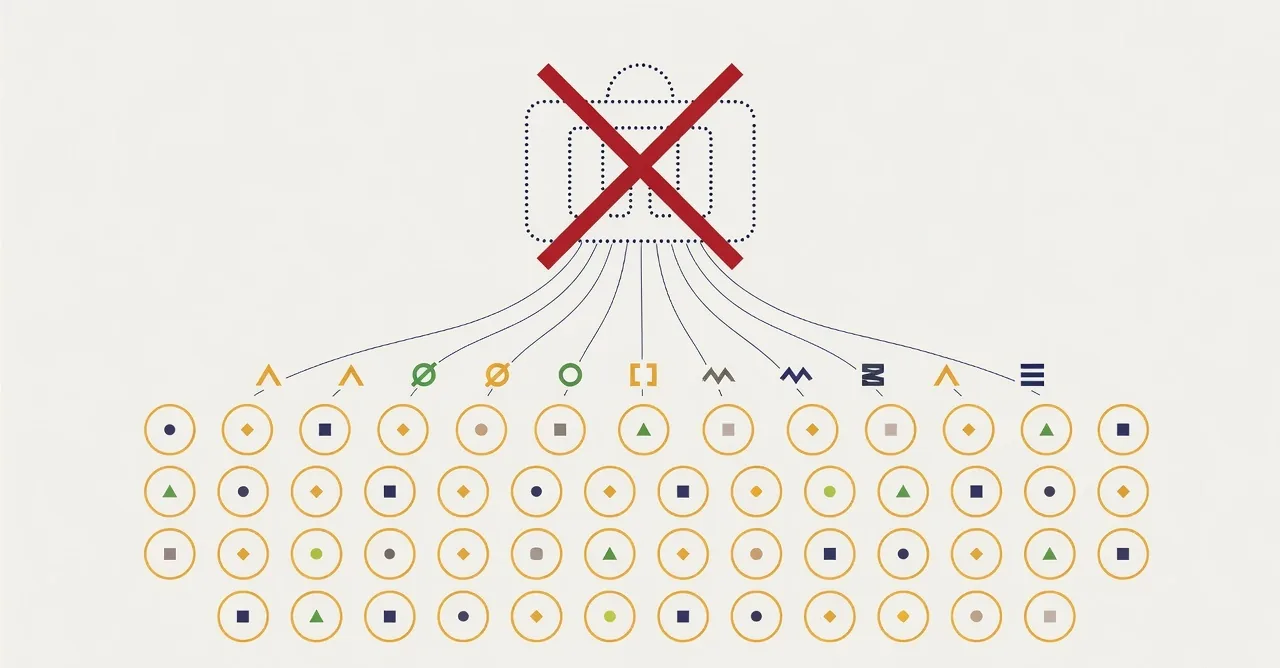
No central resident database
Data lives only in the unit’s own encrypted store. Nothing moves upward except anonymous aggregates. There is no national table of residents to be leaked, subpoenaed, sold or repurposed, because it does not exist.
A public Data Register
Every field collected, the service that justifies it, who may read it, and the date it is deleted — published as an ordinary page anyone can check, including people who do not trust the unit.
Access logging
Every read of a resident’s record is logged and visible to that resident. A volunteer cannot look someone up out of curiosity without it being seen.
An ombudsman above the unit
A Privacy Ombudsman at Sangam level, independent of the units they oversee, with the power to inspect, order deletion and trigger a failure review.
Risk and response
| Risk | Design response |
|---|---|
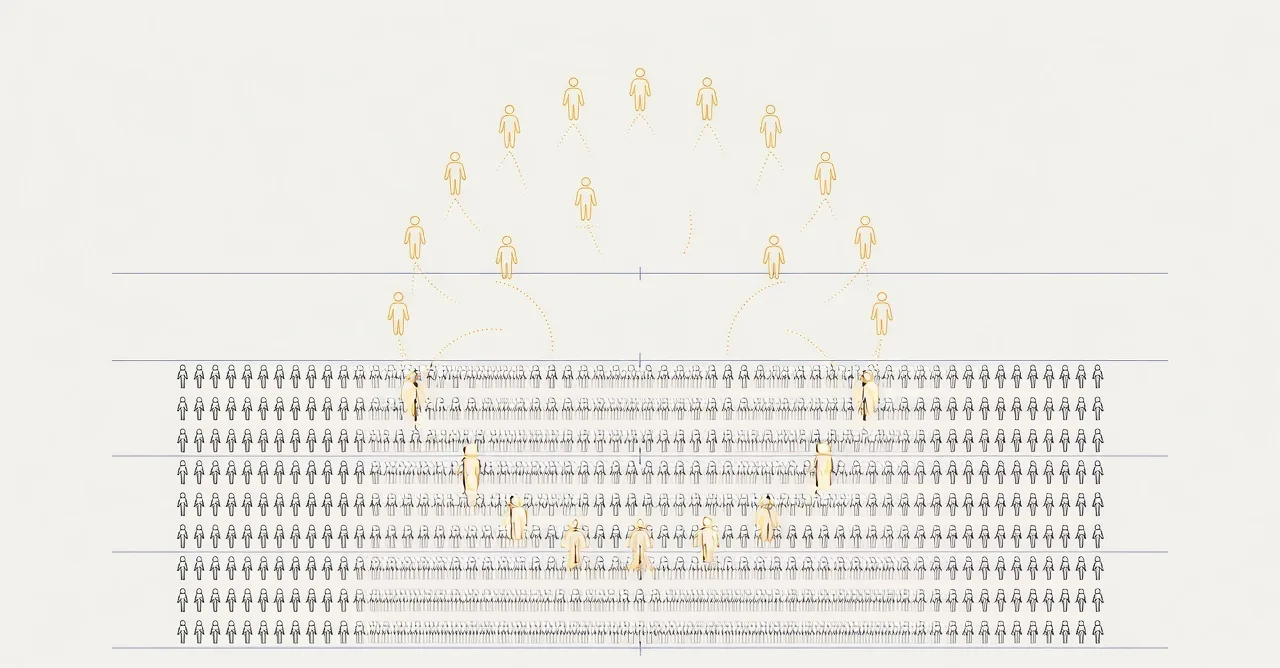
| Local elite capture | Citizens’ Jury by sortition, stratified and rotated. 20% participatory budgeting. Recall by 15% of households. Two-key approval. Conflict-of-interest declarations. Independent audit. |
| Poor units fall behind | State matching, national equalisation, and a guaranteed service floor independent of local wealth. |
| Support becomes surveillance | No central database, a public Data Register, access logs, deletion rules, an independent ombudsman, and no caste, religion or political fields. |
| Volunteers displace paid jobs | Volunteer roles narrowly defined. Anything on the paid exchange can never be requested as a favour. |
| Informal mediation hides abuse | Violence, abuse and coercion removed from community handling entirely. Mandatory professional and legal referral. |
| Harmony work becomes censorship | Narrow focus on unlawful conduct only. Transparent definitions, appeal rights, judicial oversight, no power over lawful expression. |
| Safety work becomes vigilantism | Permanent prohibition on enforcement of any kind. Observation and referral only, with the authority’s failure made publicly visible instead. |
| Students become free labour | Voluntary, age-limited, supervised, insured, with a published list of work students may never be given. |
| A rigid central curriculum returns digitally | Modular choice, multiple providers, local mentoring, transparent standards, portable credit. |
| Research openness leaks sensitive work | Tiered research-security and intellectual-property policy rather than blanket secrecy or blanket openness. |
| Tradition treated as unquestionable, or worthless | Primary-source scholarship plus transparent empirical testing, with the four evidence labels applied to every claim. |
| The unit itself fails | Published triggers, fund frozen, temporary administrator, fresh jury within 90 days, and the national service floor continuing throughout. |
What happens when a unit stops working
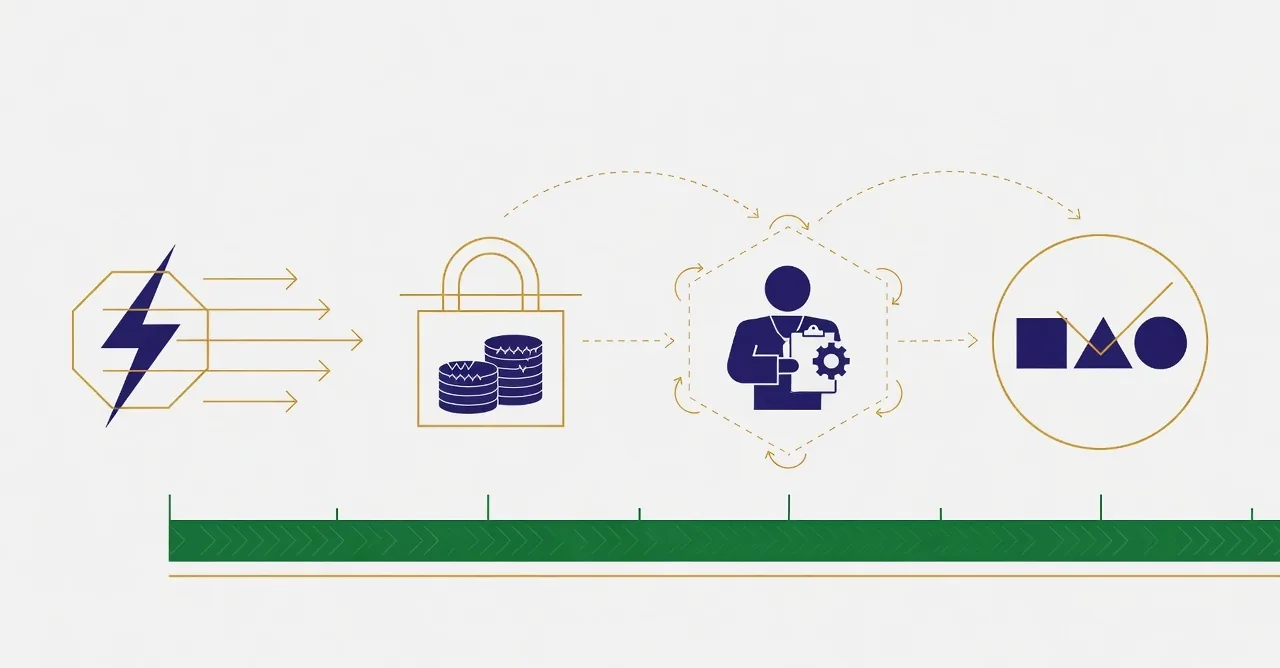
No part of the original concept described its own failure. A model that cannot is not finished.
Triggers
- A failed or adverse audit
- A finding of discrimination in service delivery
- Sustained breach of service standards without escalation
- Misuse or unexplained loss of fund money
- A privacy finding upheld by the ombudsman
- Failure to constitute a jury on schedule
Consequence
- The fund is frozen immediately
- A temporary administrator is appointed by the state
- A fresh jury is selected within 90 days
- The finding and the remedy are published
- Repeated failure ends the charter and returns assets to the local body
Throughout any failure, suspension or dissolution, every resident keeps a guaranteed right to emergency food, temporary shelter, sanitation, help with documents and referral to specialist care — regardless of whether their unit is functioning at all. A person must never be worse off because the institution around them collapsed.